- Pop Base
- Posts
- Oscars 2026: “One Battle After Another” Leads the Night at the 98th Academy Awards
Oscars 2026: “One Battle After Another” Leads the Night at the 98th Academy Awards
Paul Thomas Anderson’s film leads the night, while Jessie Buckley, Michael B. Jordan, and Sean Penn take top acting honors.

Pop Base
March 16, 2026

The 98th Academy Awards brought a dramatic finish to this year’s film season, with Paul Thomas Anderson’s “One Battle After Another” taking Best Picture and several other major awards. The ceremony took place at the Dolby Theatre in Los Angeles and was hosted by Conan O’Brien. By the end of the night, the film had won six Oscars, making it the biggest winner of the evening.
Another major contender was Ryan Coogler’s “Sinners,” which entered the night with a record 16 nominations. The film did not win Best Picture, but it still had a strong showing with several big awards, including Best Actor and Best Original Score.
The ceremony featured several close races. Some winners were widely expected, while others surprised viewers watching the broadcast. Below is a breakdown of the biggest categories and what happened on Oscar night.
Best Actor
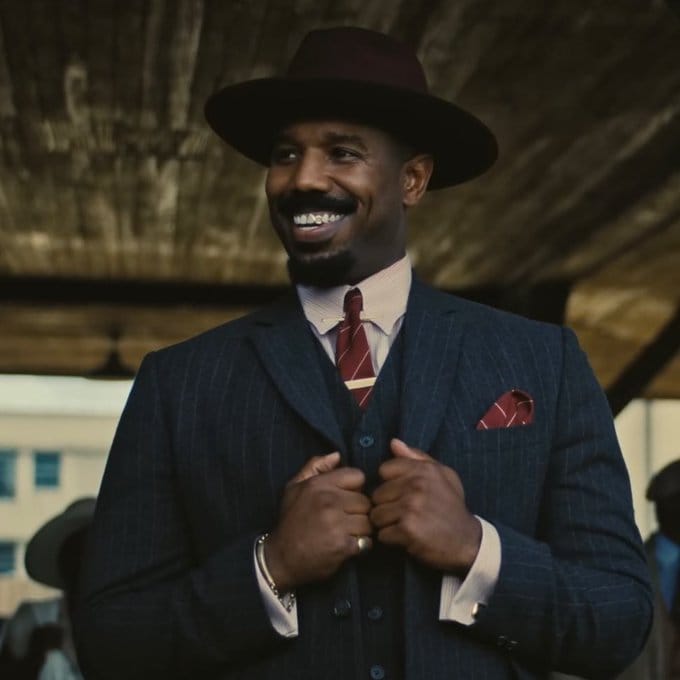
The Best Actor category had been watched closely for months.
Early in the season, Timothée Chalamet seemed like the clear leader for his role in “Marty Supreme.” His performance had been getting strong reactions from critics and industry groups.
But another name kept coming up as the season went on.
That was Michael B. Jordan, who played a demanding dual role in “Sinners.” The performance gave the film one of its biggest moments of the night.
The category also included Leonardo DiCaprio for “One Battle After Another,” Ethan Hawke for “Blue Moon,” and Wagner Moura for “The Secret Agent.”
In addition to Jordan’s win solidifying a big night for Sinners, he also took the opportunity to highlight fellow Black Academy winners, such as Halle Berry and Denzel Washington, who he shouted out by name during his acceptance speech.
Best Actress
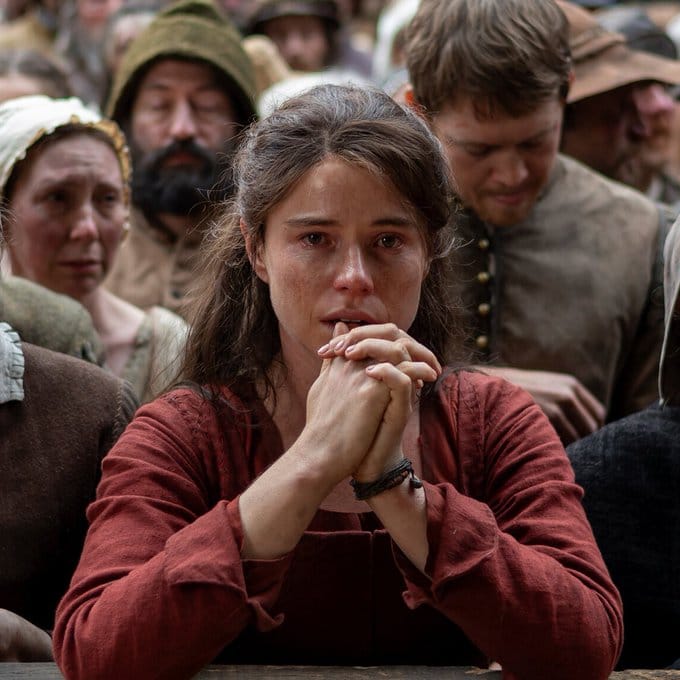
The Best Actress award went to Jessie Buckley for “Hamnet.”
Buckley’s performance was showered with acclaim throughout awards season from critics who praised the quiet intensity she brought to the role.
The category included several strong names, including Emma Stone for “Bugonia,” Kate Hudson for “Song Sung Blue,” Rose Byrne for “If I Had Legs I’d Kick You,” and Renate Reinsve for “Sentimental Value.”
But Buckley’s work in “Hamnet” clearly stood out the most this season, with her win giving “Hamnet” its own moment in a crowded show.
Best Supporting Actor
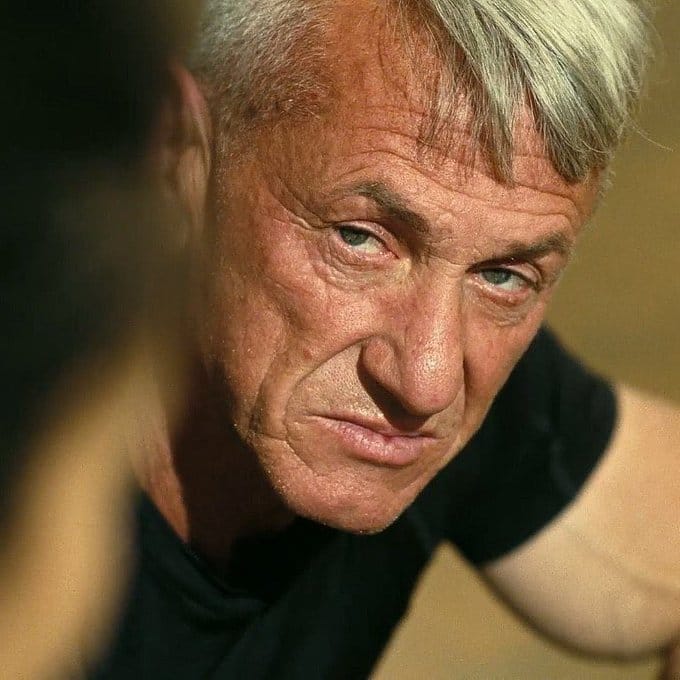
Another major award for “One Battle After Another” came in the supporting actor category.
The prize went to Sean Penn, who was not present to accept.
Penn played Colonel Steven J. Lockjaw, a performance that made notable waves throughout the stacked awards season.
The nominees also included his co-star Benicio del Toro for “One Battle After Another,” Jacob Elordi for “Frankenstein,” Delroy Lindo for “Sinners,” and Stellan Skarsgård for “Sentimental Value.”
Penn’s win inducts him into a unique page of Oscars history. With his previous wins for “Mystic River,” “Milk,” and now “One Battle After Another,” he becomes only the eighth actor to win three competitive acting Academy Awards.
Best Supporting Actress

The supporting actress award ended up, as many expected, going to Amy Madigan for “Weapons.”
Madigan had last been nominated for an Oscar in 1985 for “Twice in a Lifetime,” leading to an “overdue” conversation being present throughout awards season.
The category also included Elle Fanning and Inga Ibsdotter Lilleaas for “Sentimental Value,” Wunmi Mosaku for “Sinners,” and Teyana Taylor for “One Battle After Another.”
Madigan’s win turned into one of the more emotional moments of the evening as she thanked her husband, Ed Harris, and her family during her acceptance speech.
Best Picture
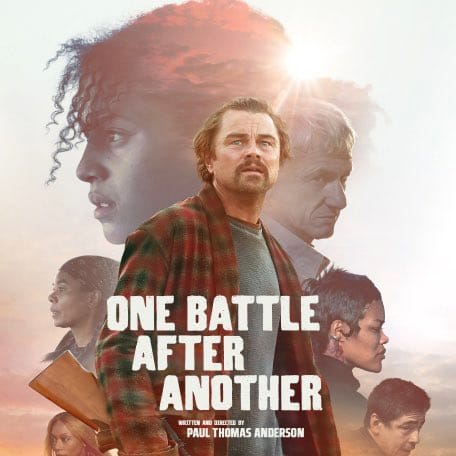
The biggest award of the night went to “One Battle After Another,” giving Paul Thomas Anderson one of the most significant moments of his long directing career. The filmmaker had been nominated for Oscars various times before, but a Best Picture win had remained just out of reach for years.
Adapted from Thomas Pynchon’s 1990 novel Vineland, the movie follows a former revolutionary searching for his kidnapped daughter and mixes dark humor, action, and political commentary—a style that critics often describe as classic Anderson filmmaking.
For much of the awards season, the Best Picture race appeared to center on two films. One was Anderson’s sweeping drama. The other was Coogler’s ambitious and epic “Sinners,” which entered the ceremony with a record 16 nominations.
But when the envelope was opened, Anderson’s film came out on top.
The Best Picture lineup included “Bugonia,” “F1,” “Frankenstein,” “Hamnet,” “Marty Supreme,” “The Secret Agent,” “Sentimental Value,” “Sinners,” and “Train Dreams.”
By the end of the night, “One Battle After Another” finished with six wins, making it the biggest winner of the ceremony. The result closed one of the most competitive Best Picture races in recent years.
Best Director
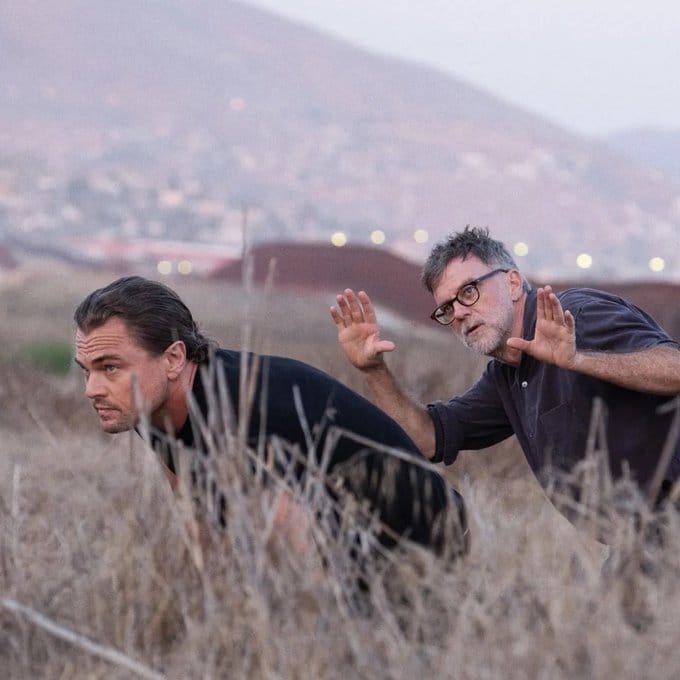
The directing Oscar went to Paul Thomas Anderson for “One Battle After Another.”
The category had several strong names this year. Ryan Coogler was nominated for “Sinners,” Chloé Zhao for “Hamnet,” Josh Safdie for “Marty Supreme,” and Joachim Trier for “Sentimental Value.”
Later in the ceremony, Anderson would return to the stage to pick up the most coveted award of the night.
Best Screenplay
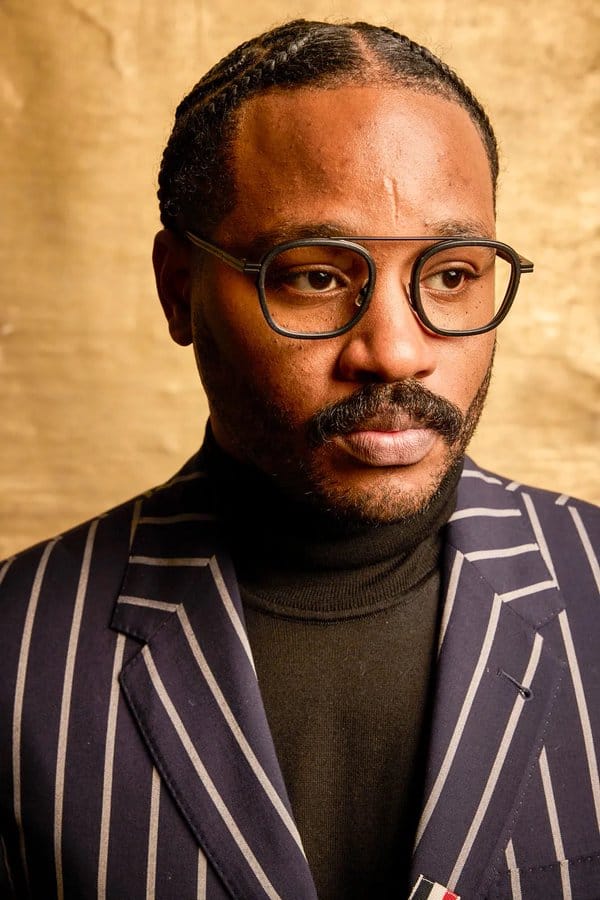
Best Original Screenplay went to Ryan Coogler for “Sinners,” whose script blended genre storytelling with emotional character work and helped drive one of the most talked-about films of the season. The movie entered the Oscars with a record 16 nominations.
With the victory, Coogler became only the second Black filmmaker in Oscars history to win the Academy Award for Best Original Screenplay, following Jordan Peele. The moment drew one of the loudest reactions of the night, with the filmmaker receiving a standing ovation before thanking his cast, crew, and family during an emotional acceptance speech.
“Sinners,” a Southern-set vampire story starring Michael B. Jordan in a dual role, had already built strong momentum during awards season with wins from critics groups, the Writers Guild, and the BAFTAs, making the Oscar victory the crowning jewel in the film’s historic run.
Best Music

Best Original Song went to “Golden” from the Netflix film K-Pop Demon Hunters, giving the project one of the night’s standout music wins. The track, written by Ejae, Audrey Nuna, and Rei Ami with a team of producers, blends English and Korean lyrics with a modern K-pop sound that became a major part of the film’s appeal.
The win also marked a historic moment at the Academy Awards: “Golden” became the first K-pop song ever to win the Oscar for Best Original Song. The category also included “Dear Me” from Diane Warren: Relentless, “I Lied to You” from Sinners, and “Sweet Dreams of Joy” from Viva Verdi!
With the victory, the Netflix film secured one of the ceremony’s most talked-about music moments, reflecting how international pop influences are increasingly shaping Hollywood soundtracks and awards season conversations.
By the time the final awards were handed out, the ceremony had capped another busy awards season in Hollywood. The night mixed expected wins with a few surprises across the major categories. For the films and performers involved, Oscar night marked the final chapter of this year’s race.
— Osheen Yadav |
Subscribe to the newsletter to discover new releases through Pop Base weekly and to find out what songs we declare the best of the week. |